A royal companion, since the 1600s
The Cavalier King Charles Spaniel.
Soulful eyes, a silky coat, and a sweet, pleasingly active nature — with a few centuries of royal drama in the mix. All hail his royal furriness.


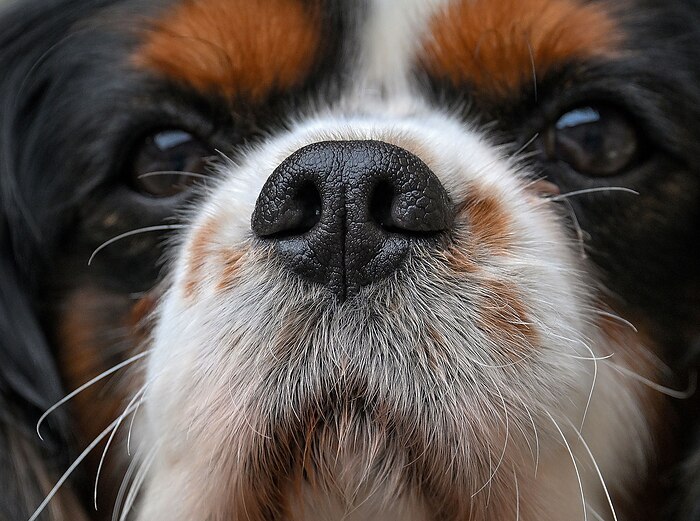
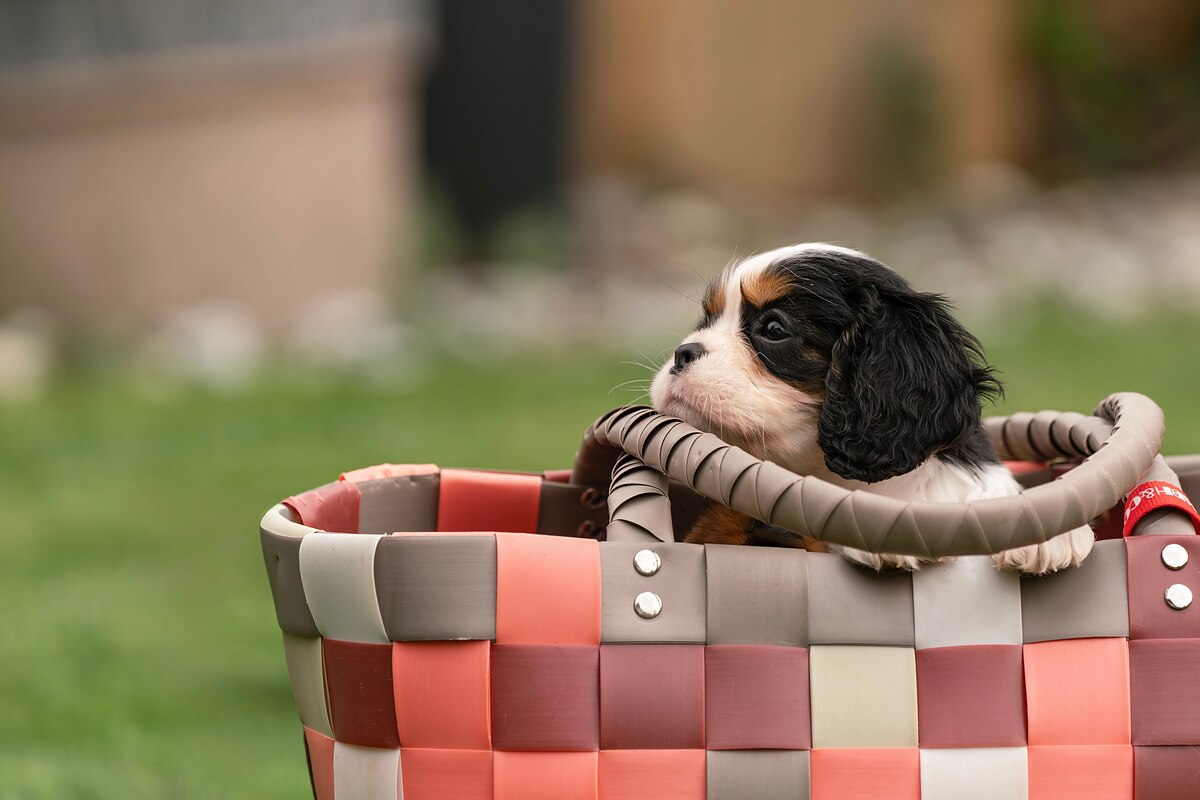
How a lap dog conquered a kingdom
First, you mix soulful eyes and a beautiful coat with a dash of royal drama and a cup of comfort — and there you have it: a companion developed gradually over a few centuries, bred for one purpose above all, to be near the people it loves.
Mary Queen of Scots is credited with bringing the breed to Britain after meeting them in France as a girl. It is said that when she was beheaded, her faithful pup would not leave her side. This regal breed sat on many royal laps, first appearing in Europe during the 16th century — bred as companions, flea-catchers, and bed-warmers, even drawing fleas away from their humans and, so the story goes, sparing them from the plague.
The King Charles were owned only by royalty and the very wealthy, made famous by King Charles II of Great Britain and Ireland — the breed's namesake. He allowed his Cavaliers to accompany him everywhere, rarely seen with fewer than three or four at his heels, and wrote a decree, still in effect in England today, permitting the Cavalier into any public place, even the Houses of Parliament. He was so devoted he was accused of ignoring his kingdom; when he lay dying, a dozen Cavaliers were there to comfort him.
After his death, the Duke of Marlborough became the breed's advocate. He favored red-and-white dogs, and the combination was named Blenheim — the red "Blenheim spot" on the crown said to come from the worried Duchess pressing her thumb to a pregnant Cavalier's head while the Duke was away at the Battle of Blenheim.
By the 1900s the breed had changed — smaller, flatter-faced. In 1926 a wealthy American offered a prize for the best old-world type; it took five years for a dog named Ann's Son to win. World War II nearly drove the Cavalier to extinction — at one point only six were known to exist. The first Cavaliers reached America in 1952, and in 1996 the breed became the 140th recognized by the American Kennel Club.
Today the Cavalier comes in four patterns — Blenheim (red and white), Ruby (red), Black & Tan, and Tricolor — and makes a wonderful therapy dog, gentle with the elderly and children alike.

Temperament
The right breed for a family.
Cavaliers are gentle, endlessly adaptable, and deeply attached to their people. They thrive as house pets, curled beside their family — and they simply aren't built to live outdoors or on their own.
Bred to sit in a lap, not a kennel.
Think a Cavalier is right for your family?
I'd love to help you decide — and, when the time is right, find the one that fits.
Ask about a puppy